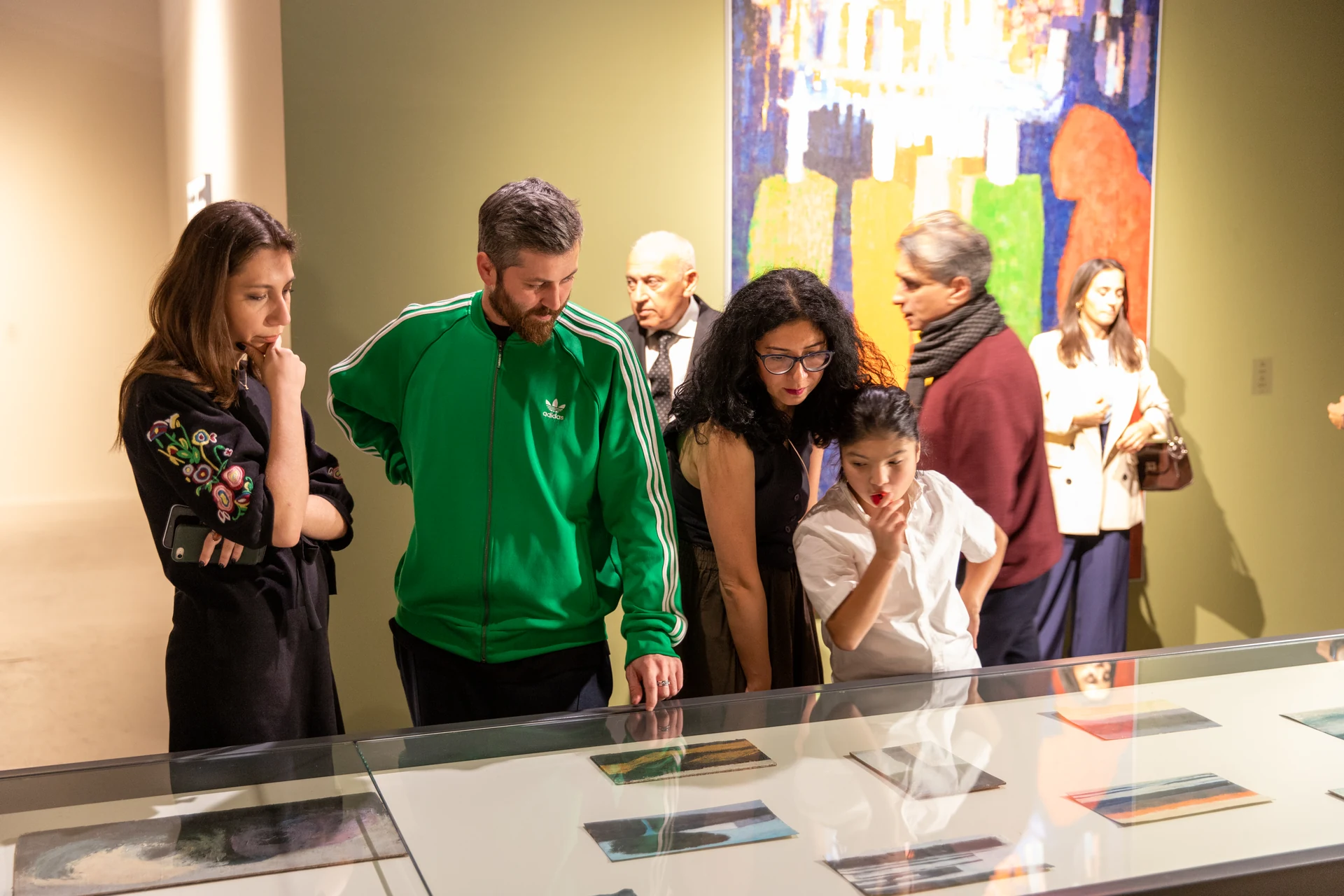
Between the Earth and the Sky
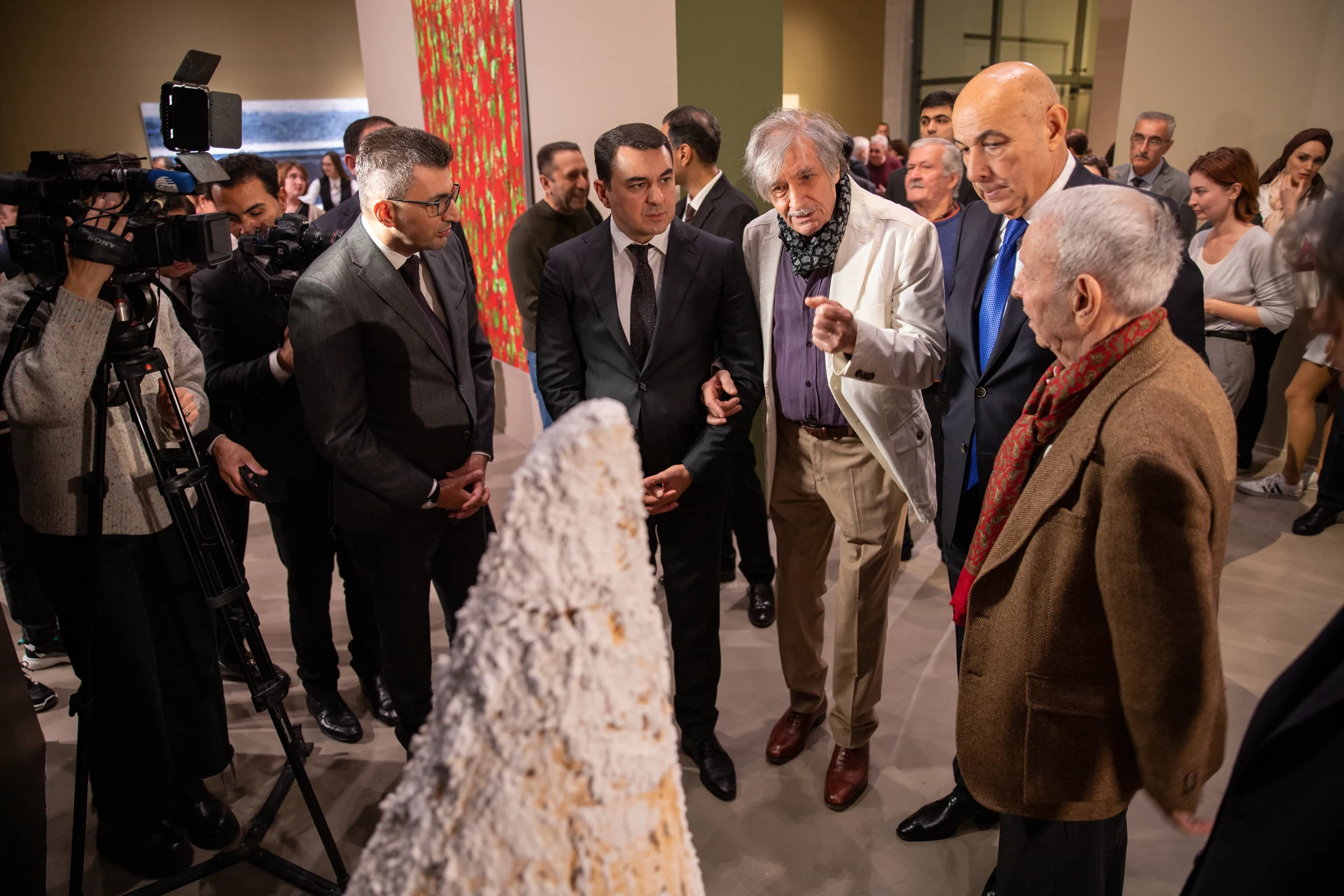
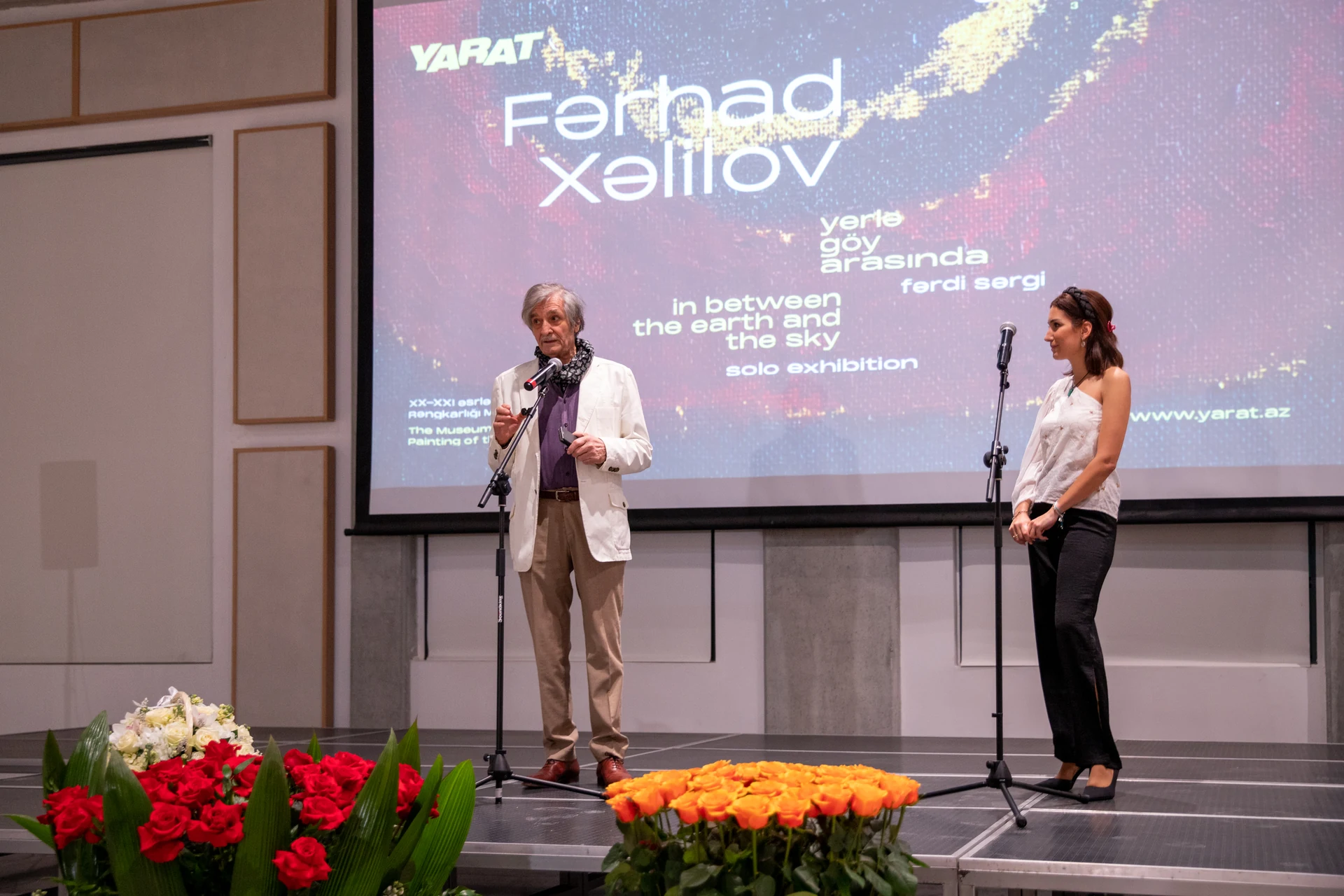
Presented by YARAT Contemporary Art Space at the Museum of Azerbaijani Painting of the XX–XXI Centuries in Baku, Between the Earth and the Sky brought together recent paintings and previously unexhibited graphic works by Farhad Khalilov.
The exhibition concentrated on the artist's increasingly distilled visual language, in which colour, space and rhythm take precedence over the descriptive representation of landscape. The natural environment of Absheron, a constant presence throughout Khalilov's career, emerges not as a recognisable view but as an experience translated into pictorial form.
The exhibition also included sculpture, extending the formal concerns of Khalilov's painting into three dimensions. Its reduced silhouette recalled the woman wearing a chadra in his earlier paintings, carrying a familiar motif into a different medium. Together, the works revealed the continuity of an artistic practice shaped by the gradual reduction of form and a sustained exploration of the relationship between abstraction and lived experience.
Alongside the exhibition, a programme of conversations, public encounters and educational activities brought the artist into direct dialogue with audiences of different generations and artistic backgrounds.
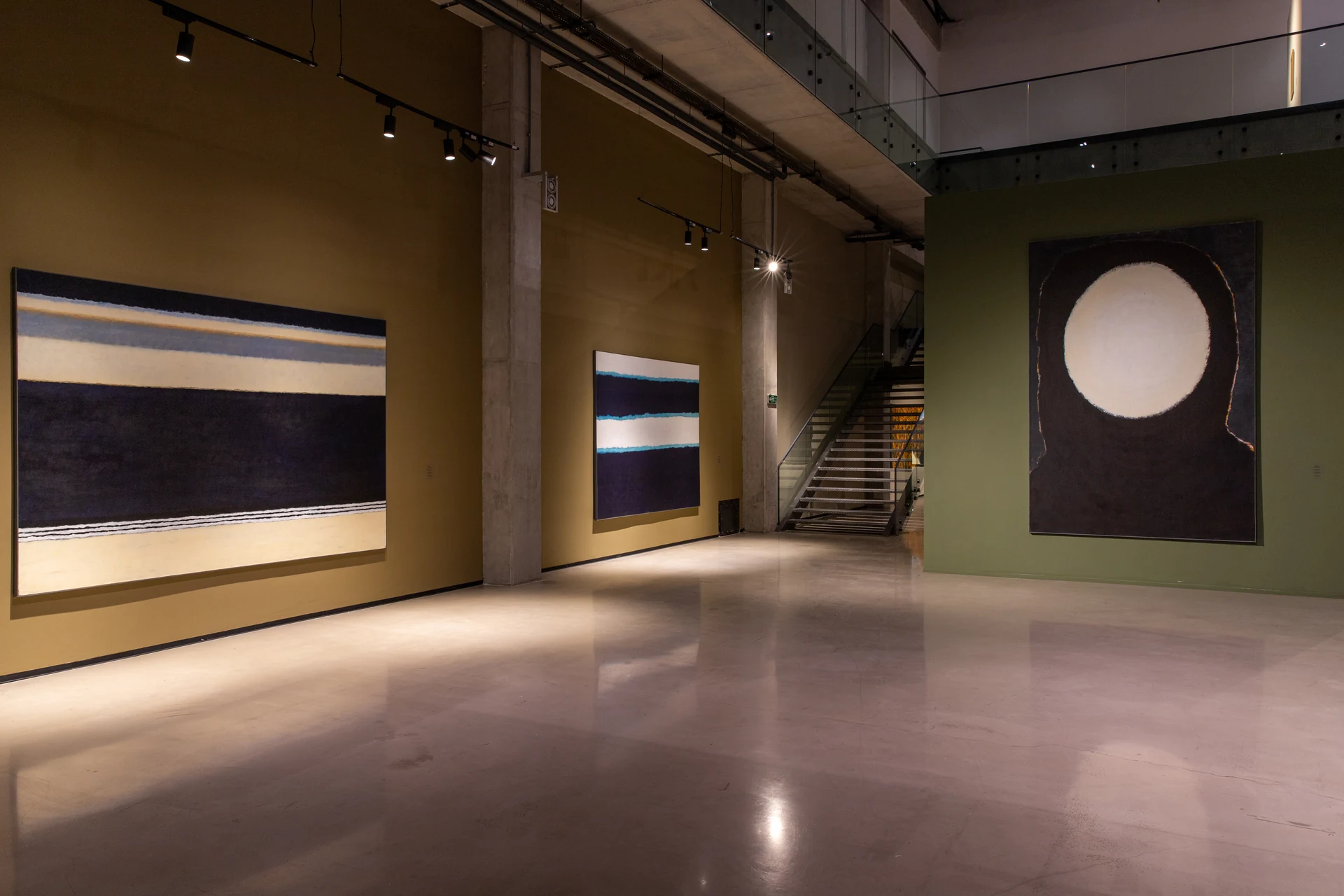
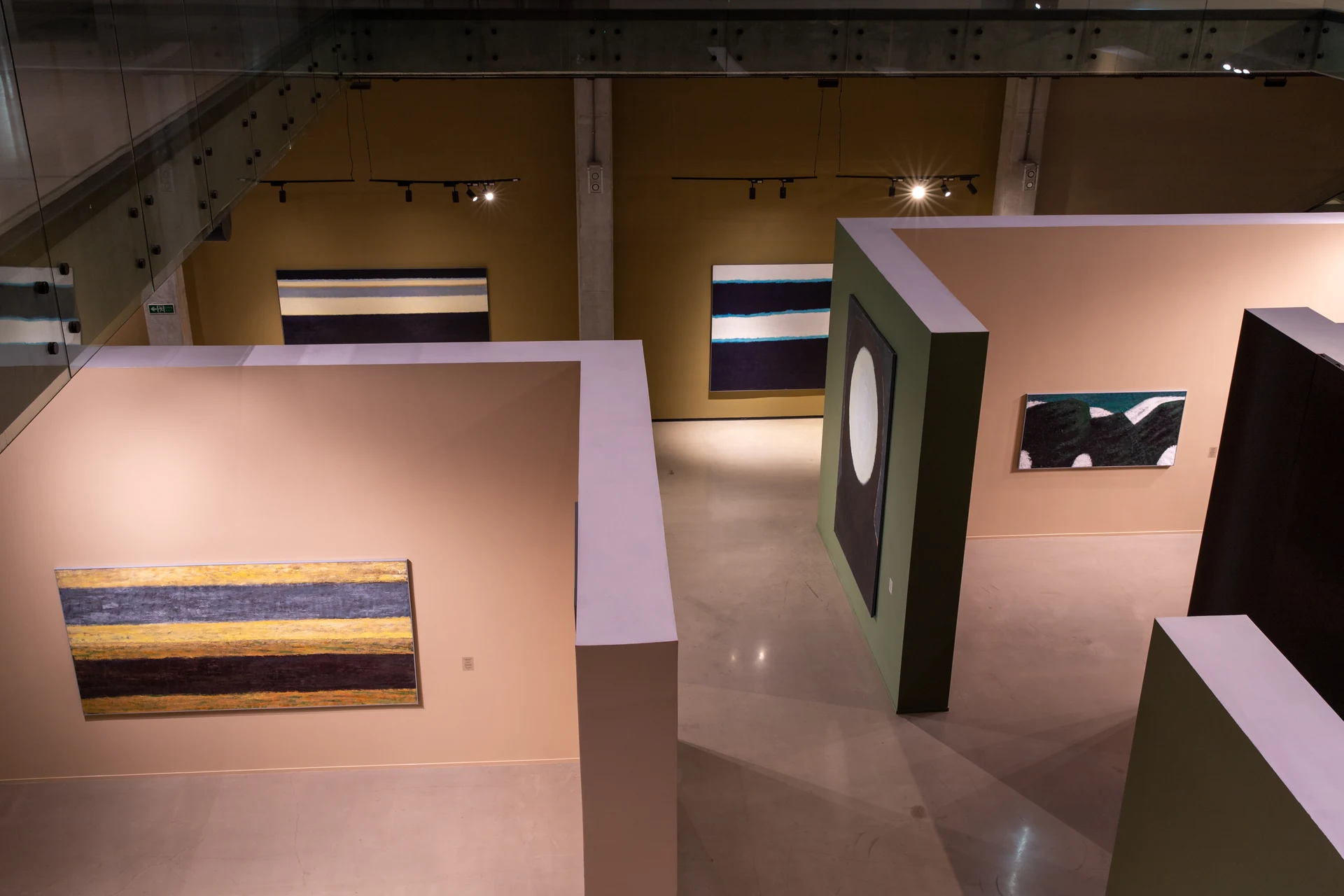
Public Programme
Art, Imagination and Childhood
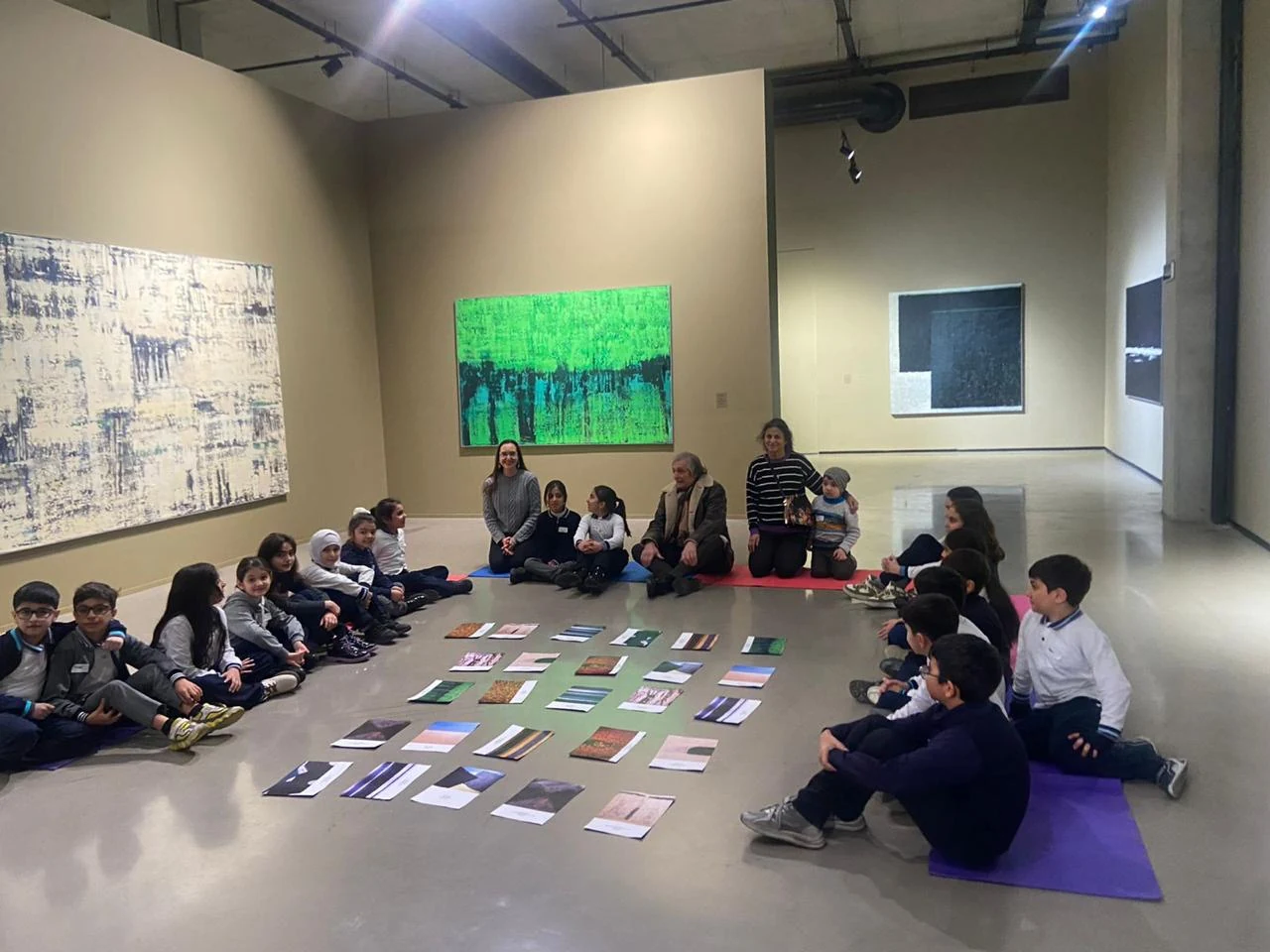
As part of the exhibition's educational programme, Farhad Khalilov met with members of a children's art group at the museum. The conversation explored the relationship between children's drawing and the visual language of modern art.
Referring to artists such as Pablo Picasso, Paul Klee and Joan Miró, Khalilov discussed the directness, freedom and spontaneity of children's visual expression. He encouraged young participants to preserve their independent imagination and approach drawing without being constrained by conventional rules of representation.
On Abstraction and the Language of Painting
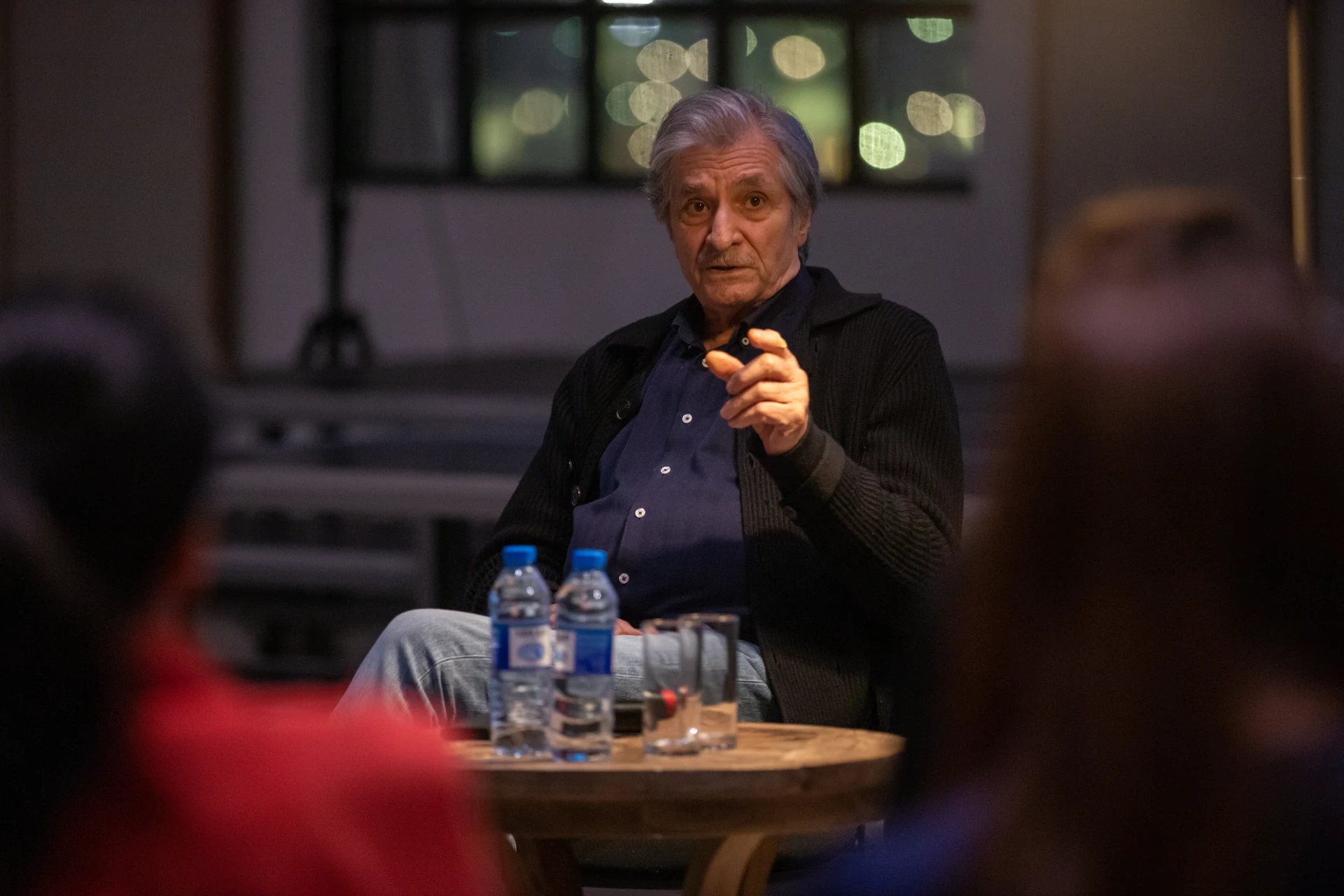
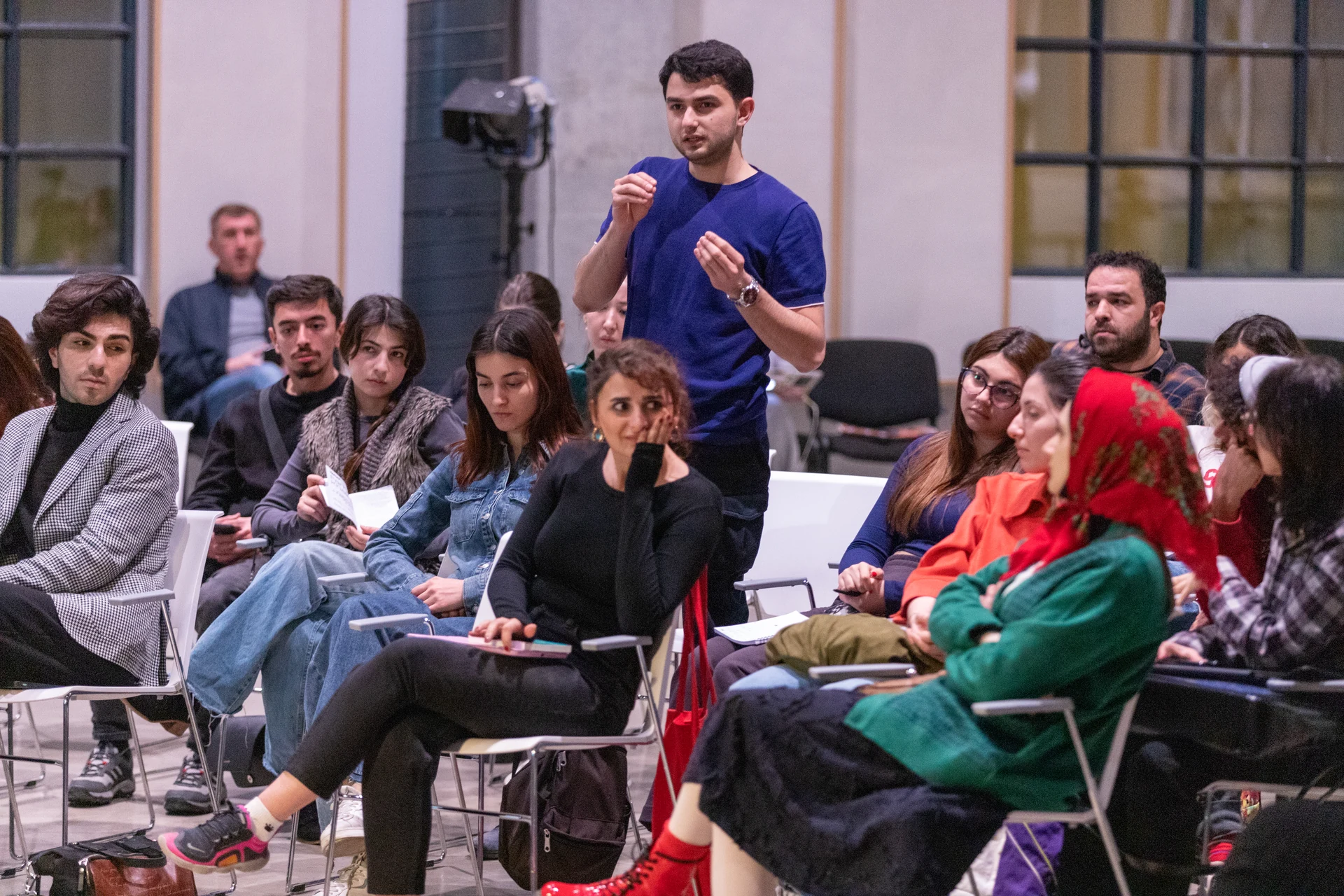
Farhad Khalilov met with participants of Sabina Shikhlinskaya's educational course at YARAT for a conversation about the development of non-objective and abstract art in Azerbaijan.
The discussion addressed the place of abstraction within contemporary artistic practice and its development in the country's art history. Khalilov reflected on the evolution of his own work, from the landscapes of Absheron towards compositions in which colour, light and space become increasingly independent expressive elements.
The conversation also considered the work of other Azerbaijani artists associated with abstraction and the continuing possibilities of non-objective art.
Painting, Intuition and the Freedom of Art
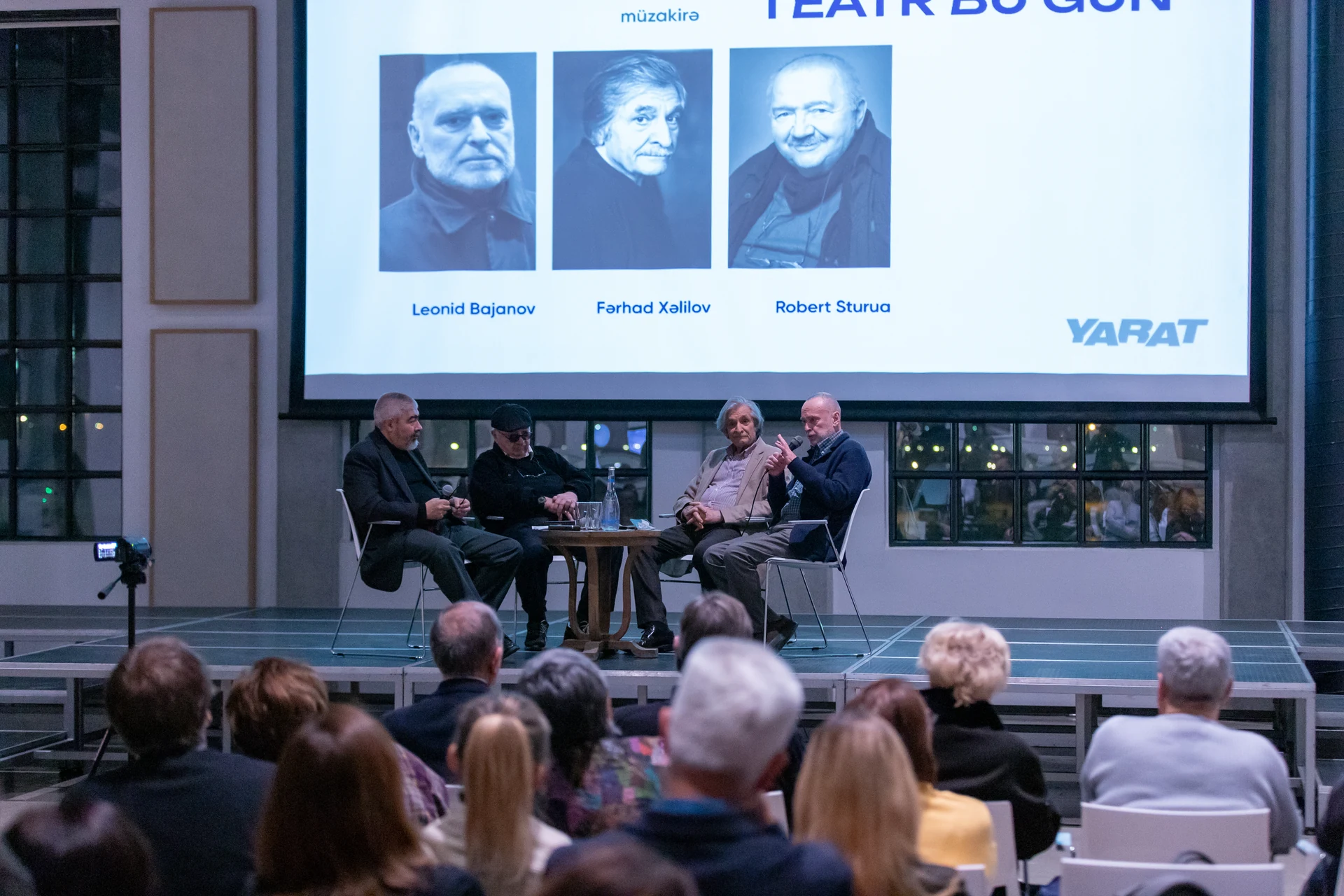
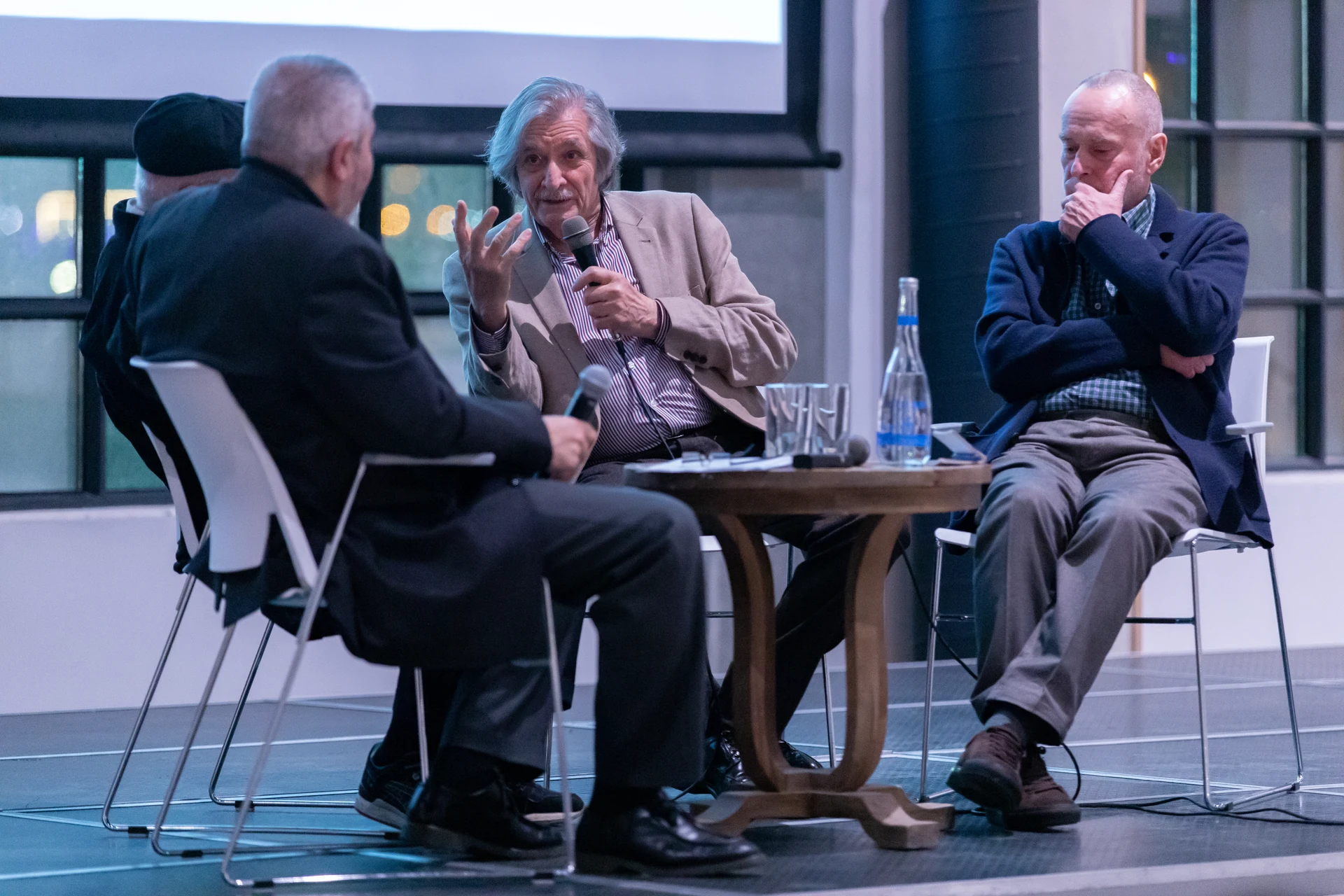
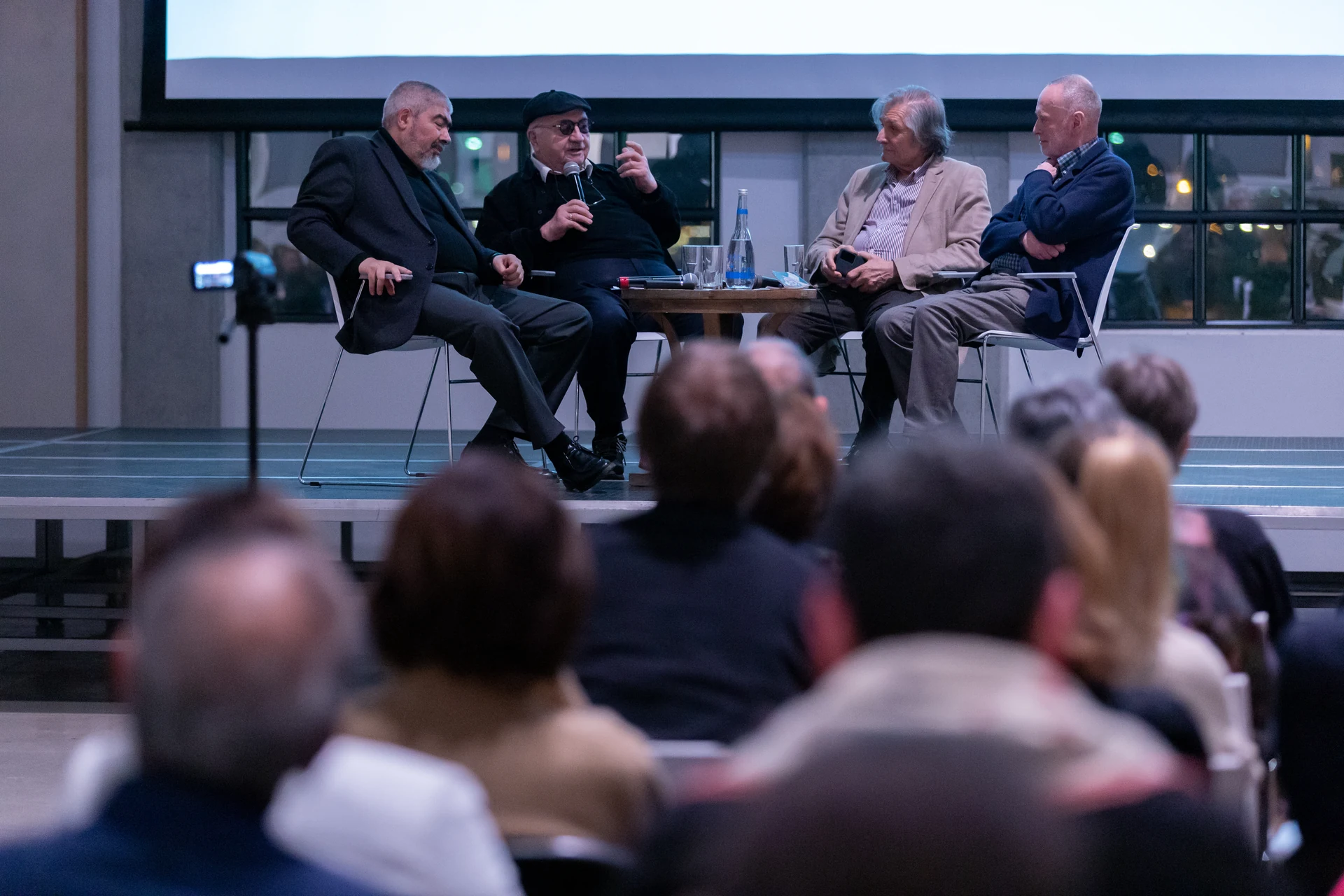
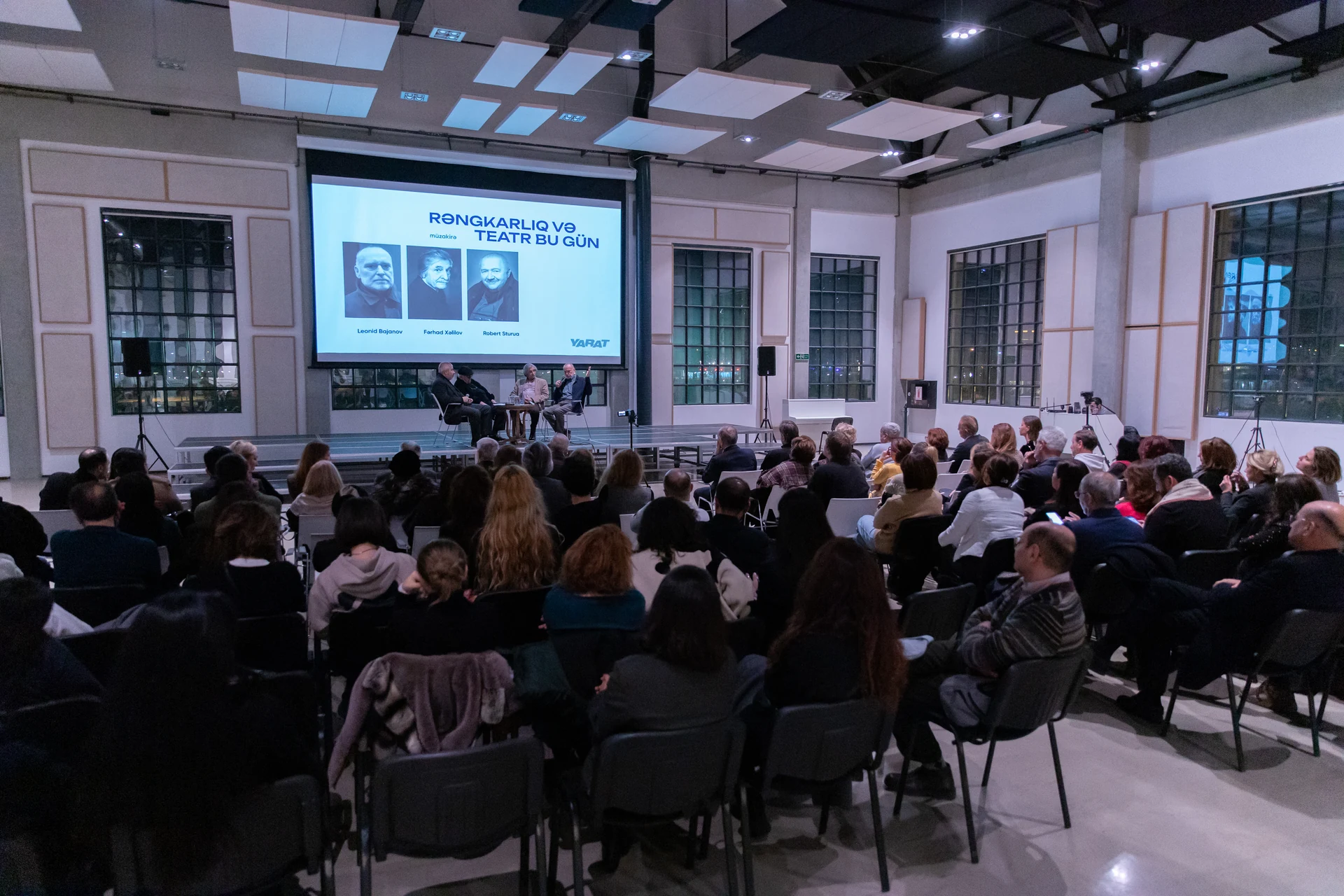
A special evening organised within the exhibition brought Farhad Khalilov into conversation with theatre director Robert Sturua and art historian Leonid Bazhanov.
The discussion explored artistic intuition, the emotional force of colour and the relationship between abstract painting and personal experience. Khalilov spoke about the central importance of light in his work and his preference for non-objective art as a means of communicating sensations and states of mind.
Sturua approached Khalilov's painting through its poetic and intuitive qualities, while Bazhanov considered the relationship between individual artistic expression and the broader visual language of modern art.
Together, their perspectives opened a dialogue extending beyond painting to questions of artistic freedom, perception and the nature of creative expression.
Opening and Documentary Screening
The exhibition opened on 30 November 2023 at the Museum of Azerbaijani Painting of the XX–XXI Centuries in Baku.
The opening programme included a screening of the documentary film In the Footsteps of the Artist, directed by Türkan Hüseyn. The film offered an additional perspective on Khalilov's artistic practice and creative life.
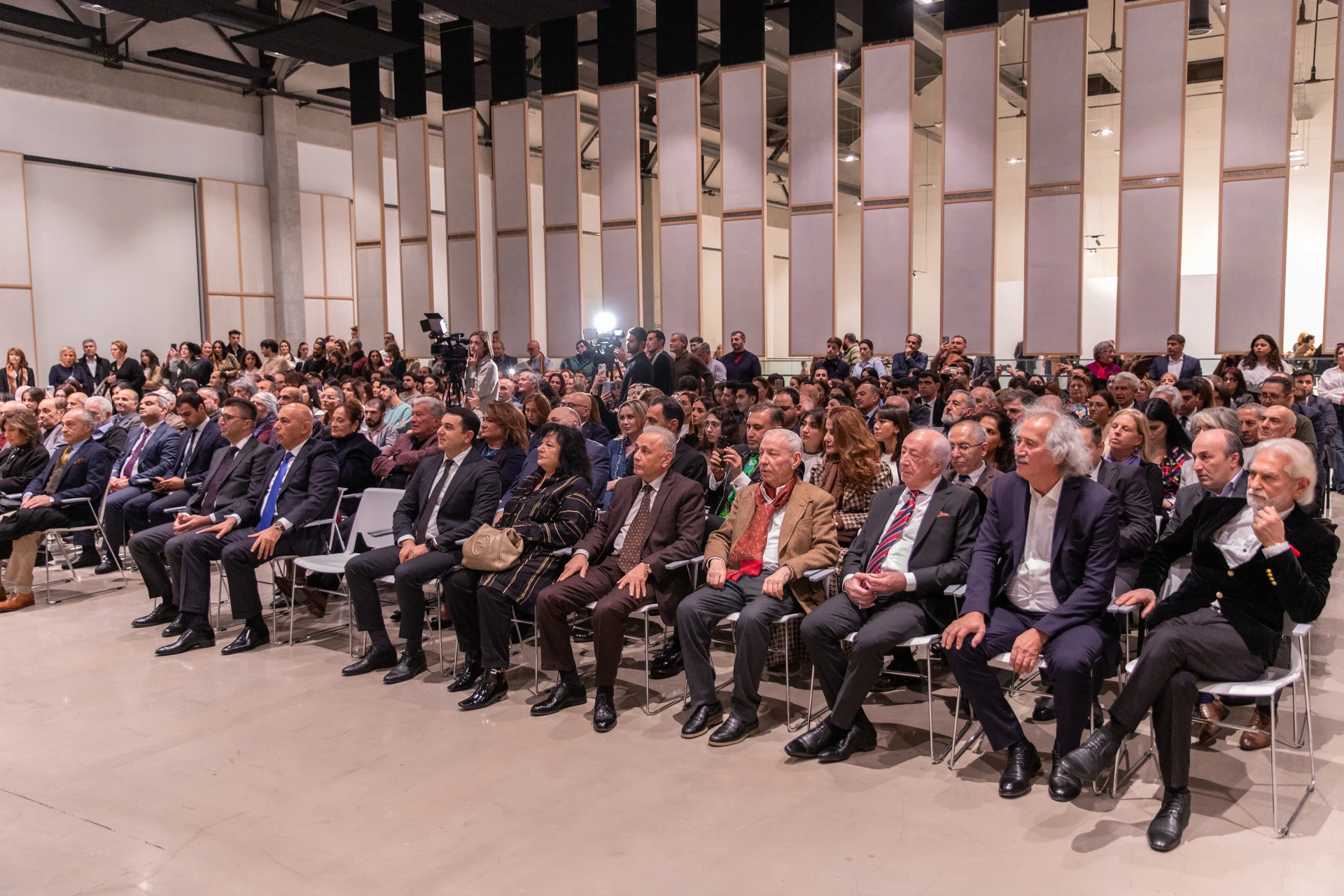
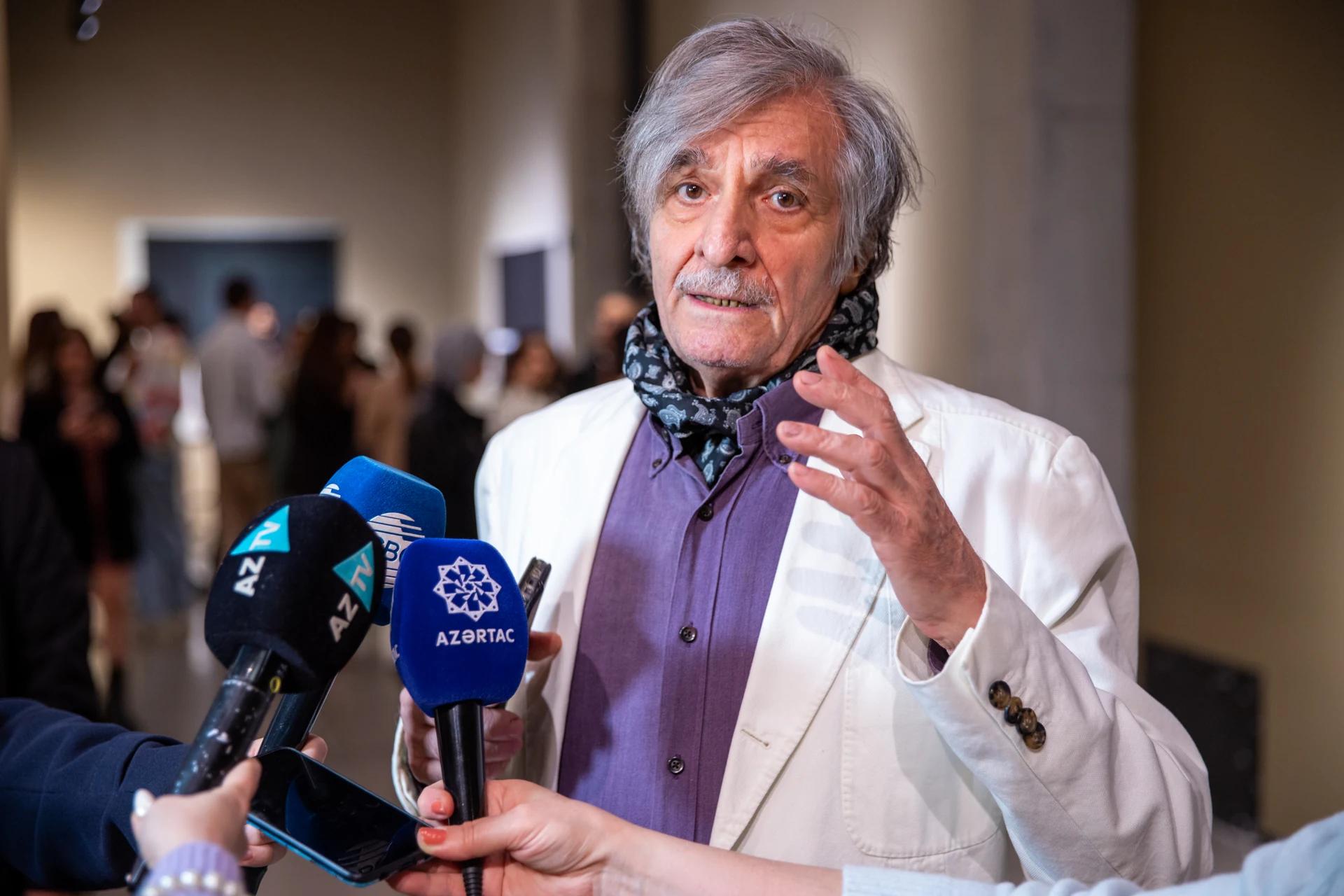
The opening brought together visitors, artists and members of the cultural community, introducing the exhibition's exploration of landscape, abstraction and the expressive possibilities of painting.